Proximity Tech Redefines Bonus Activation Across Mobile Gambling Platforms
Eden Otto · Jul 12, 2026

Proximity Tech Redefines Bonus Activation Across Mobile Gambling Platforms
Operators now integrate GPS coordinates and geofencing boundaries directly into bonus engines, which means rewards activate only when devices cross predefined perimeters around physical venues or approved zones. These systems draw from device sensors that report latitude and longitude every few seconds, triggering server-side checks against regulatory maps before any promotional credit appears in user accounts.
Geofencing Mechanics in Action
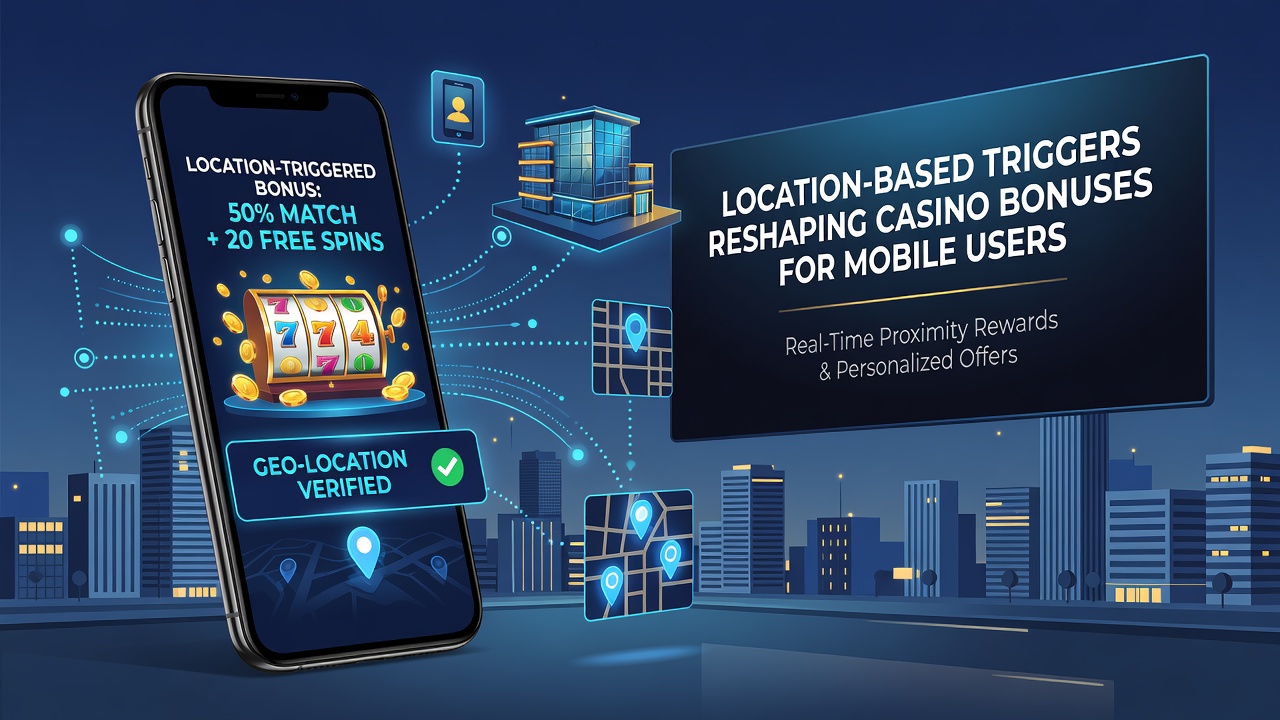
Development teams build virtual fences around casino properties using polygon coordinates that match state or provincial licensing areas, and mobile applications query location services at login or during gameplay sessions. When a user enters the designated radius, the app sends an encrypted packet to the operator backend, which verifies the signal against approved databases and releases tiered offers such as deposit matches or free spins calibrated to the exact property visited. Accuracy depends on a combination of satellite positioning and Wi-Fi triangulation, with fallback to cellular tower data when satellite signals weaken indoors.
Regulatory Compliance Across Jurisdictions
Agencies in Nevada and New Jersey require precise location validation to confirm that bonus claims occur only within licensed boundaries, and operators must retain timestamped coordinate logs for audit periods that extend up to five years. In Australia the Northern Territory government mandates similar checks for online operators serving local residents, whereas Canadian provincial regulators in Ontario tie location triggers to iGaming licenses that restrict cross-border promotions. Research from the University of Nevada, Reno gaming laboratory shows that geofence enforcement reduced out-of-state bonus redemptions by measurable margins in 2025, prompting similar rule updates scheduled for implementation in July 2026.
Bonus Personalization Through Location Data
Operators segment offers based on dwell time within a geofenced area, so players who remain near a resort for longer intervals receive escalating rewards that differ from those granted to brief passersby. Data aggregated from multiple properties indicates that users within 500 meters of a casino floor trigger higher-value reload bonuses compared with those detected at adjacent parking structures, allowing platforms to align promotions with foot traffic patterns collected through anonymized device signals. Industry reports from the European Gaming and Betting Association document how such segmentation increased average session lengths without violating data-protection statutes in member states.
Technical Integration with Payment and Loyalty Systems
Mapping APIs connect location services to payment gateways so that deposit bonuses unlock only after coordinate confirmation matches the user's declared address on file. Loyalty programs update tier status in real time when players cross property lines, granting instant access to higher cashback percentages or exclusive tournament entries that remain unavailable outside approved zones. These handshakes rely on encrypted tokens that expire within minutes, reducing the window for spoofing attempts that rely on VPN rerouting or location spoofers.
Challenges and Mitigation Strategies
Battery drain from continuous location polling prompts developers to adopt adaptive sampling rates that increase frequency only when users approach known casino coordinates. Signal loss inside large resort complexes requires hybrid solutions that blend indoor positioning beacons with outdoor satellite data, ensuring continuous verification without abrupt session terminations. Observers note that operators who adopted these layered approaches reported fewer player complaints about denied claims during 2025 testing phases.
Future Developments Scheduled for Mid-2026
Updates planned for July 2026 include tighter integration between location services and age-verification databases, which will require simultaneous checks against both geographic and identity records before any bonus credit posts. Pilot programs in several U.S. states will test blockchain-stamped location certificates that create immutable audit trails while preserving user privacy through zero-knowledge proofs. These initiatives build on existing frameworks already deployed in parts of Europe and aim to standardize cross-border verification without exposing raw coordinate histories.
Conclusion
Location-based triggers continue to expand the technical and regulatory landscape for mobile casino promotions, linking physical presence with digital reward systems through coordinated use of sensors, mapping services, and compliance databases. As operators refine these mechanisms ahead of the 2026 regulatory cycle, the focus remains on accurate coordinate validation that satisfies both licensing authorities and platform security requirements across multiple regions.