Machine Learning Models Decode Mobile Slot Patterns to Predict Player Retention
Sam Keller · Aug 6, 2026
Machine Learning Models Decode Mobile Slot Patterns to Predict Player Retention
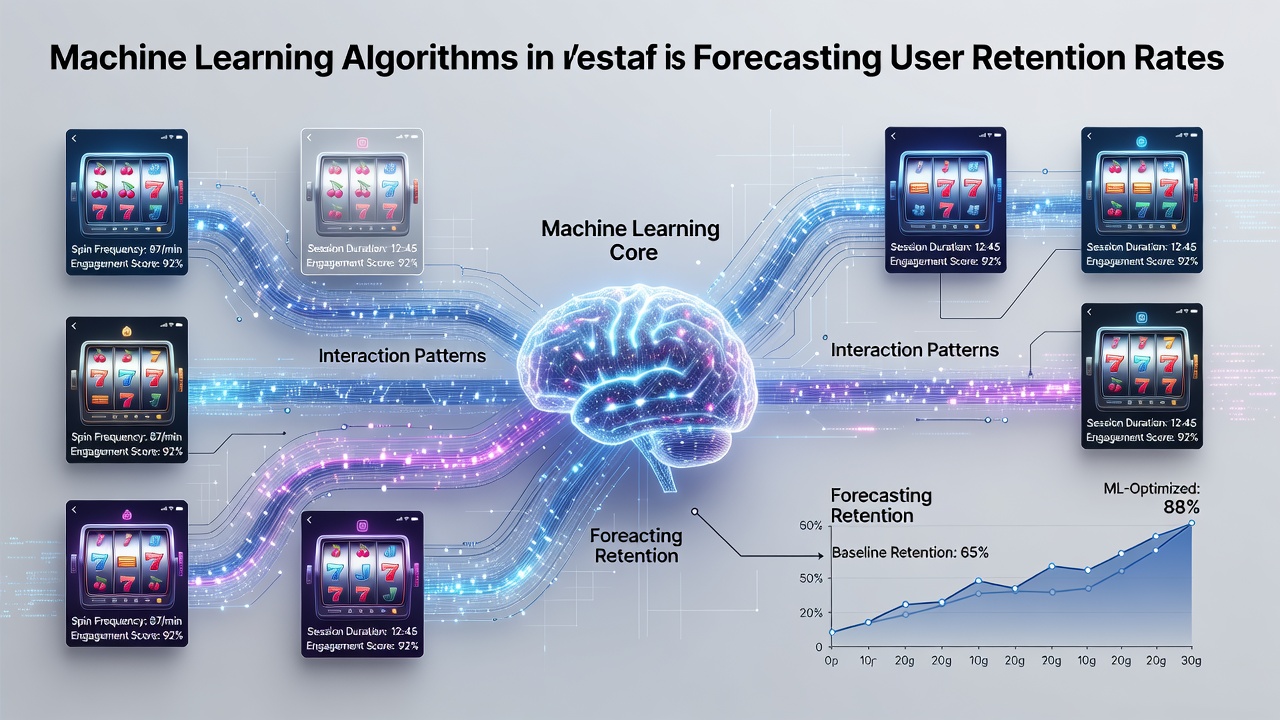
Operators in the mobile gaming sector have turned to machine learning systems that examine detailed interaction data from slot sessions to forecast how long individual players will continue engaging with specific titles and platforms. These models process sequences of taps, spins, session durations, and feature activations collected directly from smartphone applications, then generate probability scores for retention over defined time windows such as thirty, sixty, or ninety days.
Data Inputs That Drive Predictive Accuracy
Interaction logs captured on mobile devices include metrics like spin frequency per minute, average bet size relative to session length, response times between reel stops and next actions, and patterns of bonus round participation. Researchers at academic institutions have documented how clustering algorithms group these behaviors into segments that correlate with continued play versus abrupt drop-off. Studies released in 2025 demonstrated that models incorporating gyroscope and accelerometer readings alongside touch data achieved higher precision than those relying solely on transaction records.
August 2026 updates from industry analytics platforms indicate expanded use of recurrent neural networks that treat each spin sequence as a time-series input. These networks identify subtle shifts, such as declining engagement with high-volatility features or reduced exploration of new game modes, which often precede churn events. Data from multiple operators shows that incorporating device-specific signals, including battery level at login and network stability during peak hours, further refines the output probabilities.
Algorithm Types Applied to Retention Forecasting
Gradient boosting machines remain common for their ability to rank feature importance across large datasets of mobile slot activity. Random forest ensembles provide interpretable outputs that compliance teams can review when auditing prediction fairness. Deep learning approaches, particularly long short-term memory architectures, capture longer-term dependencies across multiple sessions on the same device. Observers note that hybrid models combining both tree-based and neural methods deliver balanced performance when tested against holdout datasets from varied geographic markets.
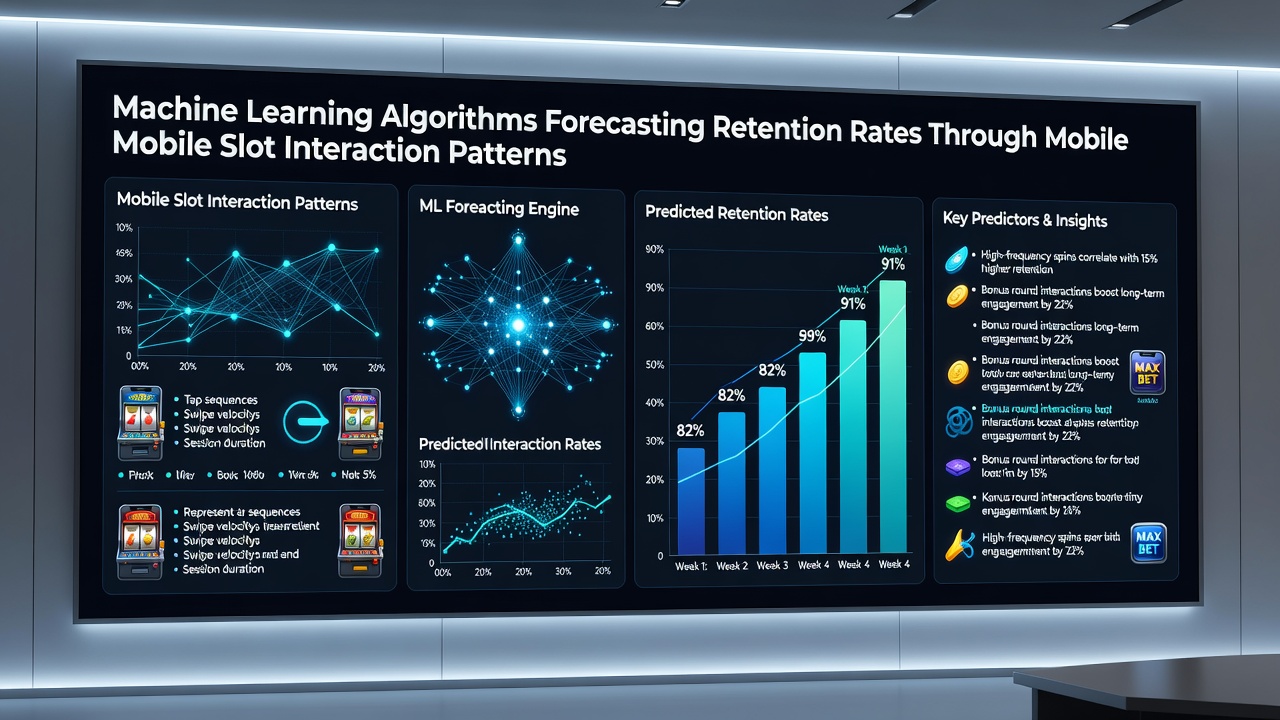
Feature engineering plays a central role in these systems. Engineers derive variables such as the ratio of free spins claimed to total spins completed, or the entropy measure of bet size variation within a single sitting. One documented case involved a North American operator that integrated location-derived context, such as typical play hours aligned with commuting patterns, into its model and observed measurable lifts in prediction stability. Canadian regulatory reporting from the same period highlighted similar technical approaches without disclosing proprietary model weights.
Regulatory and Operational Context
Regional authorities in Australia and parts of Europe require operators to maintain audit trails for any automated systems used in player communication or offer targeting. These rules emphasize transparency around data sources rather than restricting the algorithms themselves. Industry associations have published guidelines that encourage validation of model outputs against actual retention figures at regular intervals, typically quarterly. Figures from 2026 show that operators following such protocols reported fewer discrepancies between forecasted and observed retention curves.
Implementation often begins with anonymized historical datasets spanning twelve to eighteen months of mobile activity. Training occurs on cloud infrastructure that supports parallel processing of millions of session records. Once deployed, the models run inference in near real time, feeding scores into existing customer relationship management platforms that trigger automated messages or bonus adjustments. External validation from research groups affiliated with European universities has confirmed that these pipelines maintain performance across different slot mechanics and player demographics.
Challenges in Model Deployment and Maintenance
Concept drift presents an ongoing issue because player preferences evolve with new game releases and seasonal events. Teams address this through continuous retraining cycles that incorporate the most recent interaction windows. Privacy regulations in multiple jurisdictions mandate strict data minimization, which limits the breadth of features available for model input. Solutions include federated learning techniques that keep raw logs on user devices while sharing only aggregated gradients during training.
Cross-platform consistency also requires attention. Players who switch between different mobile operating systems or hardware generations can introduce variance that affects feature distributions. Engineers mitigate this by normalizing inputs and conducting A/B tests that isolate device effects from behavioral signals. Reports from Singapore's gaming oversight body in mid-2026 noted that operators investing in such normalization achieved more stable retention forecasts across device cohorts.
Conclusion
Machine learning applications focused on mobile slot interaction data continue to expand as operators seek reliable signals for long-term player value. The combination of detailed behavioral features, established algorithmic frameworks, and periodic regulatory review supports ongoing refinement of these forecasting tools. Future developments will likely center on tighter integration with live game telemetry while respecting evolving data protection standards across operating regions.