Geofencing Boundaries Carving Out New Territories for Smartphone-Based Roulette Competitions
Eden Otto · Jul 14, 2026
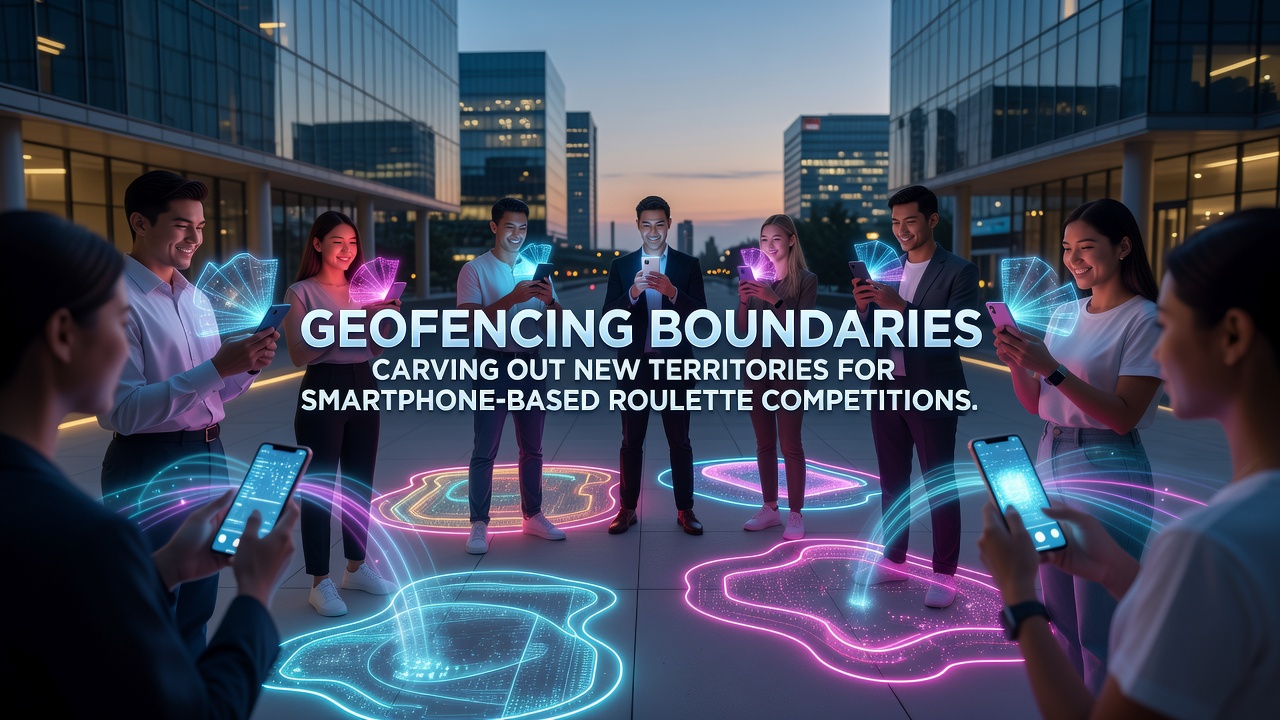
Geofencing Boundaries Carving Out New Territories for Smartphone-Based Roulette Competitions
Geofencing technology has started defining precise virtual perimeters around physical locations where smartphone-based roulette competitions remain legal, and operators now rely on these digital boundaries to expand into previously restricted markets. Mobile applications detect device coordinates through GPS and Wi-Fi signals, then compare those readings against approved zones set by state or national regulators before allowing wheel spins to begin. When a player steps outside the permitted area the session pauses automatically, which prevents unauthorized play while keeping the interface responsive for quick re-entry once the user returns.
Regulatory Frameworks Driving Geofence Expansion
Data from multiple jurisdictions shows that geofencing setups have grown alongside legislative updates that permit mobile roulette under strict location controls. In July 2026 several North American states activated new licensing rounds that explicitly require operators to implement geofence verification before any real-money roulette match can launch on portable devices. Observers note that these rules reference exact latitude and longitude coordinates rather than broad municipal lines, which creates smaller, highly targeted play zones around specific venues such as racetracks, hotels, and designated entertainment districts.
European regulators have adopted similar approaches, with authorities in Malta and the Netherlands publishing updated technical standards that detail handshake protocols between mobile apps and location services. Research indicates these standards reduce latency during boundary checks to under two seconds, allowing seamless transitions between practice mode and live competition when a device crosses into an approved area. Industry reports further reveal that operators testing these systems in controlled pilots recorded fewer than one percent of sessions interrupted by false boundary detections after software calibration.
Technical Implementation Across Platforms
Developers integrate geofencing through a combination of device-level APIs and server-side validation layers that cross-reference multiple location signals. The primary method uses GPS coordinates updated every thirty seconds, supplemented by cellular tower triangulation and known Wi-Fi network identifiers inside casino properties. When all three data points align within the pre-mapped polygon the roulette interface unlocks full betting functionality, including live dealer streams and multi-player tournament lobbies.
Case studies from operators in New Jersey and Pennsylvania illustrate how geofence polygons can overlap multiple properties owned by the same company, effectively carving out contiguous territories that span several blocks without requiring users to exit the app. One documented implementation covered an entire entertainment complex plus adjacent parking structures, which increased average session duration by enabling players to continue roulette competitions while moving between venues. Additional testing in Australian states has shown that hybrid indoor positioning systems using Bluetooth beacons can maintain accuracy even when GPS signals weaken inside large buildings.

Market Growth and New Territorial Access
Figures released by the American Gaming Association indicate that geofence-enabled roulette applications accounted for eighteen percent of total mobile handle in jurisdictions where the technology launched during the first half of 2026. Those numbers reflect expanded access in areas that previously restricted mobile play to casino floors only, and the same report projects continued growth as additional tribal lands adopt compatible geofencing agreements. Canadian provinces have followed a parallel path, with Ontario's iGaming regulator publishing maps that detail approved polygons around major urban centers and resort properties.
What's interesting is how these boundaries sometimes extend into non-traditional spaces such as airports and sports arenas when local legislation permits, creating temporary play zones during large events. One study from a European research consortium tracked user movement patterns and found that geofence alerts triggered most frequently near venue exits, prompting operators to place visual notifications within the app that remind players of remaining distance to the boundary line. Such adjustments have helped maintain compliance rates above ninety-nine percent across monitored markets.
Challenges and Ongoing Refinements
Despite rapid adoption, geofencing systems still encounter occasional signal interference in dense urban environments or during severe weather events that disrupt satellite connections. Operators address these issues through redundant verification methods that switch to Wi-Fi or Bluetooth data when primary GPS accuracy drops below required thresholds. Academic papers on location-based services note that machine-learning models trained on historical signal data can predict and compensate for temporary outages, reducing session interruptions by up to forty percent in field trials.
Regulatory bodies in multiple regions continue to audit geofence accuracy through random device testing and require quarterly reports that document boundary drift or mapping errors. These oversight measures ensure that the digital territories carved out for smartphone roulette competitions stay aligned with statutory limits even as urban landscapes evolve through new construction projects.
Conclusion
Geofencing continues to reshape where and how smartphone-based roulette competitions occur by establishing enforceable digital boundaries that match evolving regulatory landscapes. Data shows consistent expansion into new territories as operators refine technical safeguards and jurisdictions update location-specific licensing terms. The approach supports compliance while opening access in carefully defined areas, and further refinements in positioning technology are expected to maintain accuracy as participation grows through 2026 and beyond.