Decoding App Store Policy Shifts That Alter Visibility of Gambling Promotions on Smartphone Platforms
Sam Keller · Aug 4, 2026
Decoding App Store Policy Shifts That Alter Visibility of Gambling Promotions on Smartphone Platforms
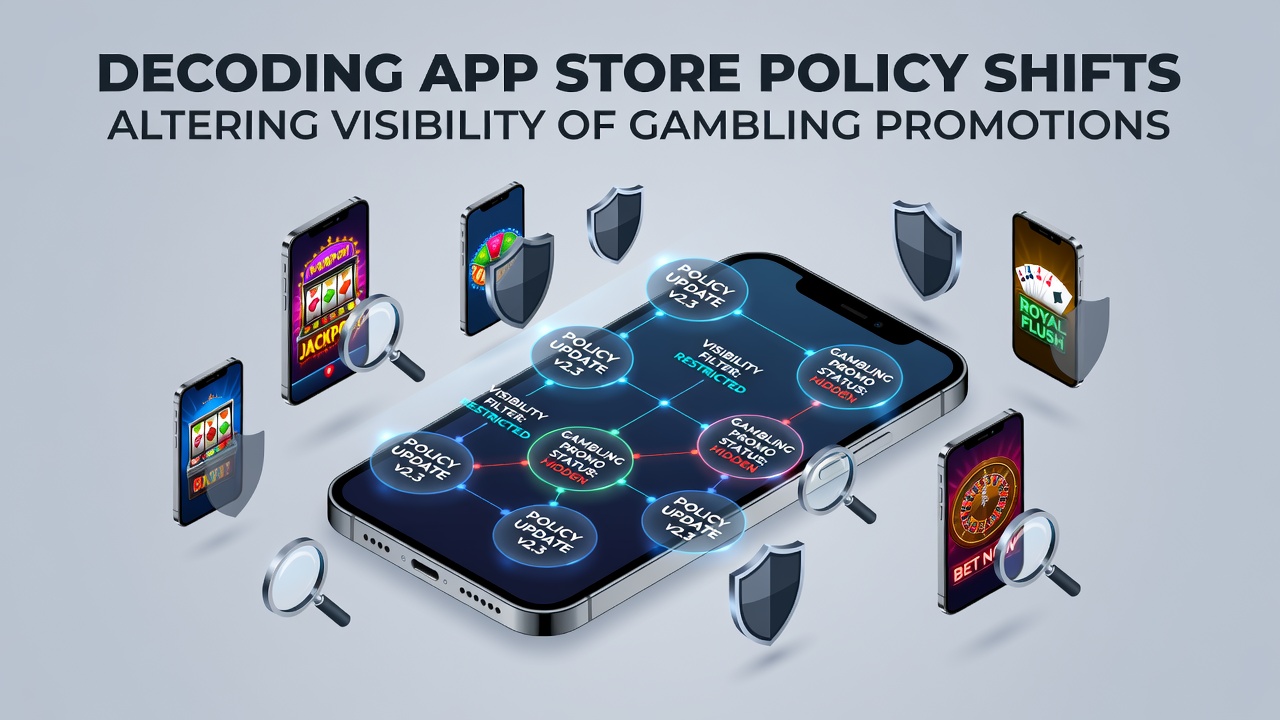
App stores have implemented multiple guideline revisions since 2023 that directly affect how gambling promotions appear in search rankings, featured carousels, and push notifications on both iOS and Android devices, and these changes continue to reshape promotional reach in 2026. Developers report that metadata containing terms like "slots," "casino bonuses," or "bet now" often triggers stricter review queues, which reduces organic visibility even when the app itself complies with age and location requirements.
Apple's Evolving Review Framework
Apple updated its App Store Review Guidelines in late 2025 to introduce new metadata scrutiny layers for apps categorized under entertainment or gaming that include real-money elements, and those updates carried forward into August 2026 when additional filters began suppressing promotional screenshots and in-app purchase descriptions that reference specific wagering mechanics. Observers note that apps must now route all bonus-related imagery through a separate compliance review process before those assets can surface in regional storefronts, which lengthens approval timelines from days to weeks in several markets.
Regional enforcement varies sharply. In the United States, state-by-state licensing data feeds into Apple's backend verification, so an app approved in New Jersey may display different promotional text in Nevada versus California because the system cross-checks against local regulatory databases maintained by each gaming control board. European storefronts apply similar logic but pull from national gaming authorities in Malta, Sweden, and the Netherlands, creating fragmented visibility patterns across the single currency zone.
Google Play Policy Adjustments and Their Reach
Google Play's advertising and promotions policy underwent parallel revisions that took effect across 2025 and 2026, with explicit language added around "simulated gambling" versus "real-money gambling" distinctions that now determine whether an app can appear in personalized recommendation feeds. Data from developer portals indicates that apps using certain payment gateway APIs face additional labeling requirements, and those labels reduce the likelihood of an app surfacing in "trending" or "editor's choice" sections even when download velocity remains high.
One study released by the International Center for Gaming Regulation at the University of Nevada, Las Vegas examined 1,200 gambling-related app listings and found that post-update visibility dropped by an average of 34 percent in non-licensed jurisdictions while remaining stable inside approved regions. The same report noted that developers who pre-load localized terms of service and age-verification flows before submission experience faster indexing and fewer takedown notices.
Impact on Promotion Visibility and Discovery
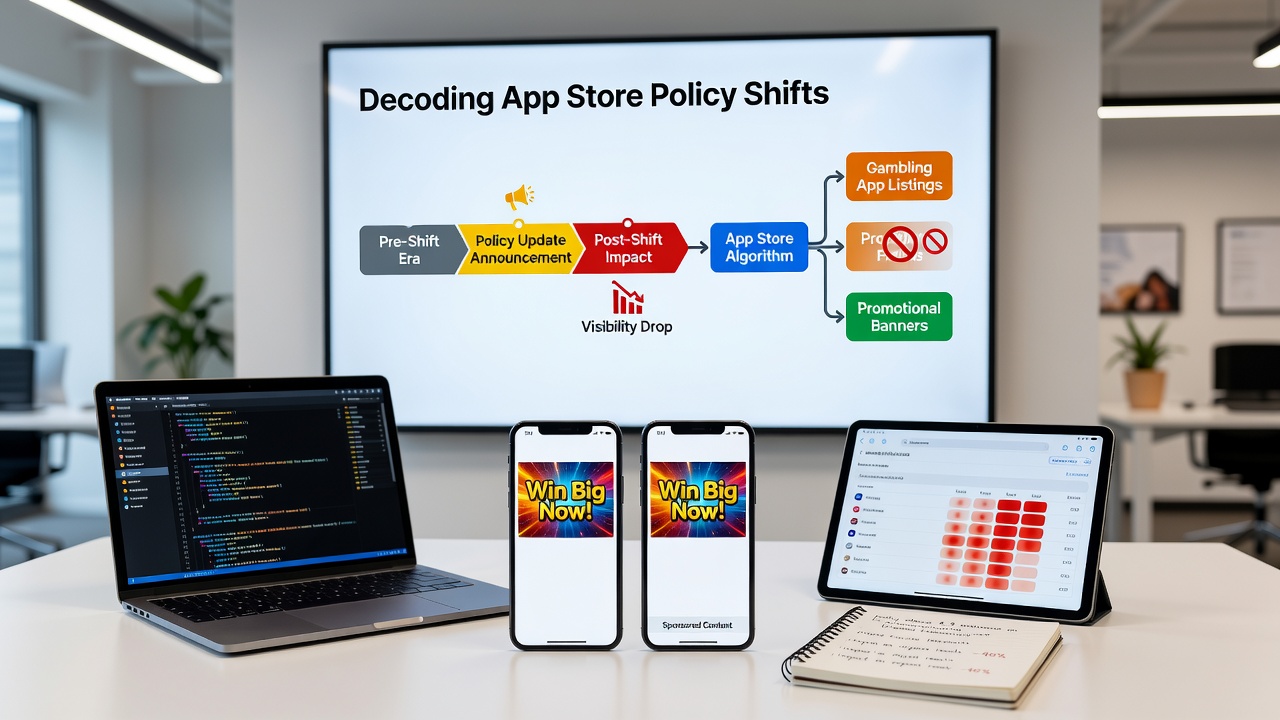
Search algorithms now weigh compliance signals more heavily than user engagement metrics when ranking results for gambling-related queries, which means an app with strong retention numbers can still rank below a newer title that carries clearer regulatory disclosures. Push notification campaigns promoting welcome bonuses or tournament entries encounter similar throttling when the payload contains keywords flagged in the latest policy appendices.
Those who've monitored storefront data across multiple quarters observe that banner placements inside the app store itself have become rarer for real-money titles, while web-based progressive web apps face fewer restrictions and therefore capture some of the traffic that native apps lose. This shift has prompted several operators to maintain dual presences, directing users from app store listings toward browser-based entry points that bypass certain visibility filters.
Regional Regulatory Inputs and Storefront Responses
Canadian provincial regulators and Australia's National Consumer Protection Framework both supply structured data feeds that app stores reference during review cycles, and these inputs influence whether promotional creatives receive clearance for display in specific provinces or states. Developers who integrate real-time geofencing that disables bonus messaging outside licensed zones report higher pass rates during subsequent updates.
Industry associations such as the European Gaming and Betting Association have published compliance toolkits that map policy language across stores, giving smaller studios clearer pathways for maintaining promotional reach without repeated rejections. Academic researchers at the University of Sydney's Gambling Treatment and Research Centre continue to track how these visibility changes correlate with shifts in player acquisition costs across different regulatory environments.
Conclusion
Policy revisions at both major app stores have created layered approval processes that tie promotional visibility directly to licensing status, metadata compliance, and regional regulatory alignment, and those mechanisms remain active as of August 2026. Operators who align their submission materials with the latest guideline appendices and maintain separate asset libraries for each jurisdiction continue to navigate the system more effectively than those relying on generic global campaigns. The resulting landscape rewards precise localization and proactive disclosure over broad promotional strategies.